TRULI (INTERNSHIP) * 2026
Dashboard for AI native CPG compliance workflows
ROLE
Product Designer
TIMELINE
Jan 2026-Present
TEAM
Founding Development
Design
OVERVIEW
Context: What is Truli?
Truli is an AI Native compliance product founded in 2025, serving 80+ clients across the CPG industry with users ranging from consumer packaging startups to larger enterprise teams, including, but definitely not limited to Blue Diamond Almonds and Vital Farms.

The Team
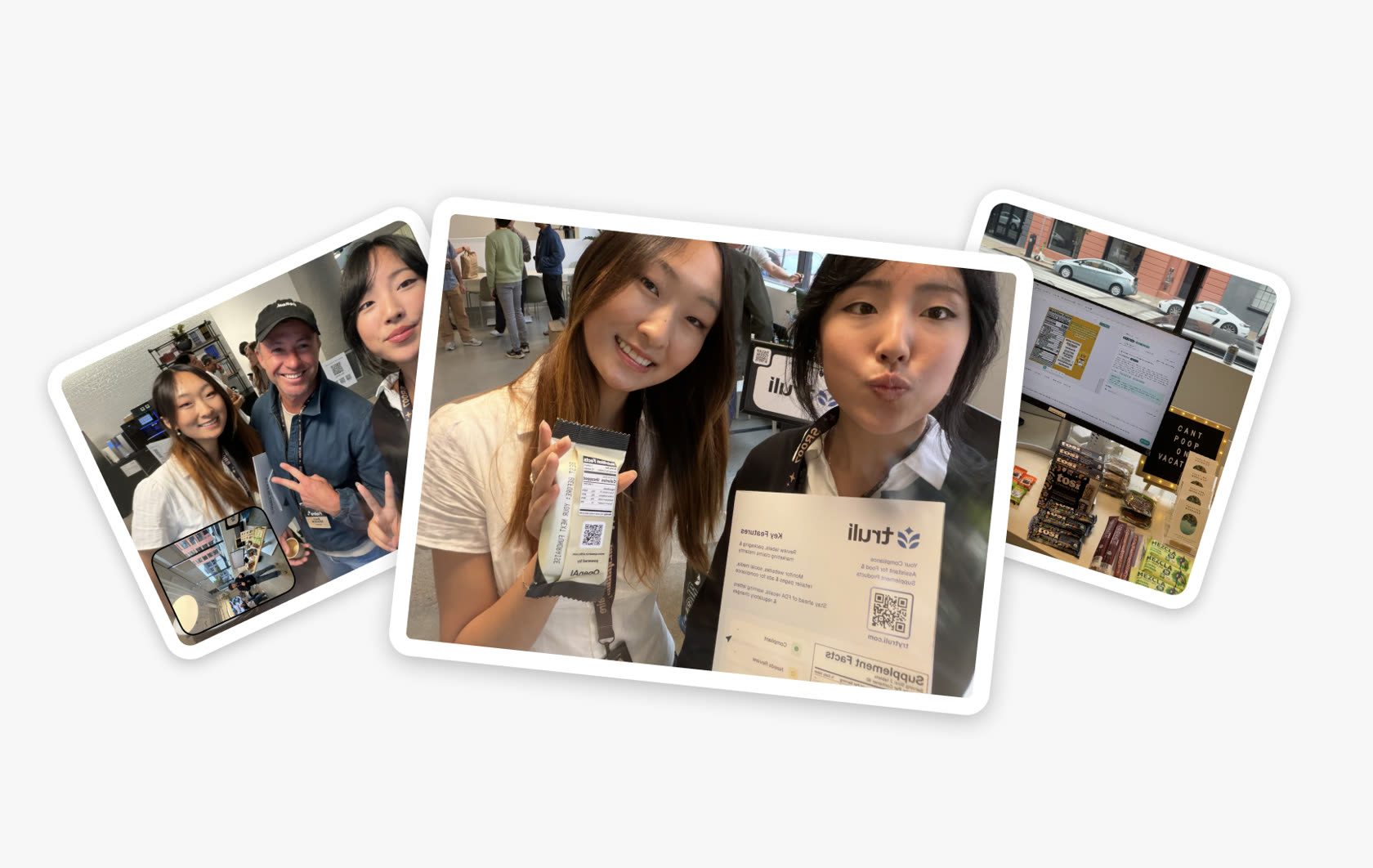
Here’s us at the a16z AI Faire! Truli has two founding developers, and as the sole design engineer on the Truli team, I own the design and development of Truli’s design system, the end to end design process of features like our dashboard redesign and I ship quality assurance improvements as needed.

OVERVIEW
How CPG regulatory teams typically operate
CPG stands for consumer packaging goods---think nutrition labels for anything from vitamins to a bag of chips. Without a product like Truli, CPG brands typically need to hire lawyers by the hour to consult on their product prototypes to ensure that they’re complaint wtih FDA regulations.
What Truli does:
Truli offers features that can scan compliance labels and identify problem areas that conflict with existing or pending legislation, cutting costs and time substantially. We currently serve 80+ clients in the industry.
THE PROBLEM
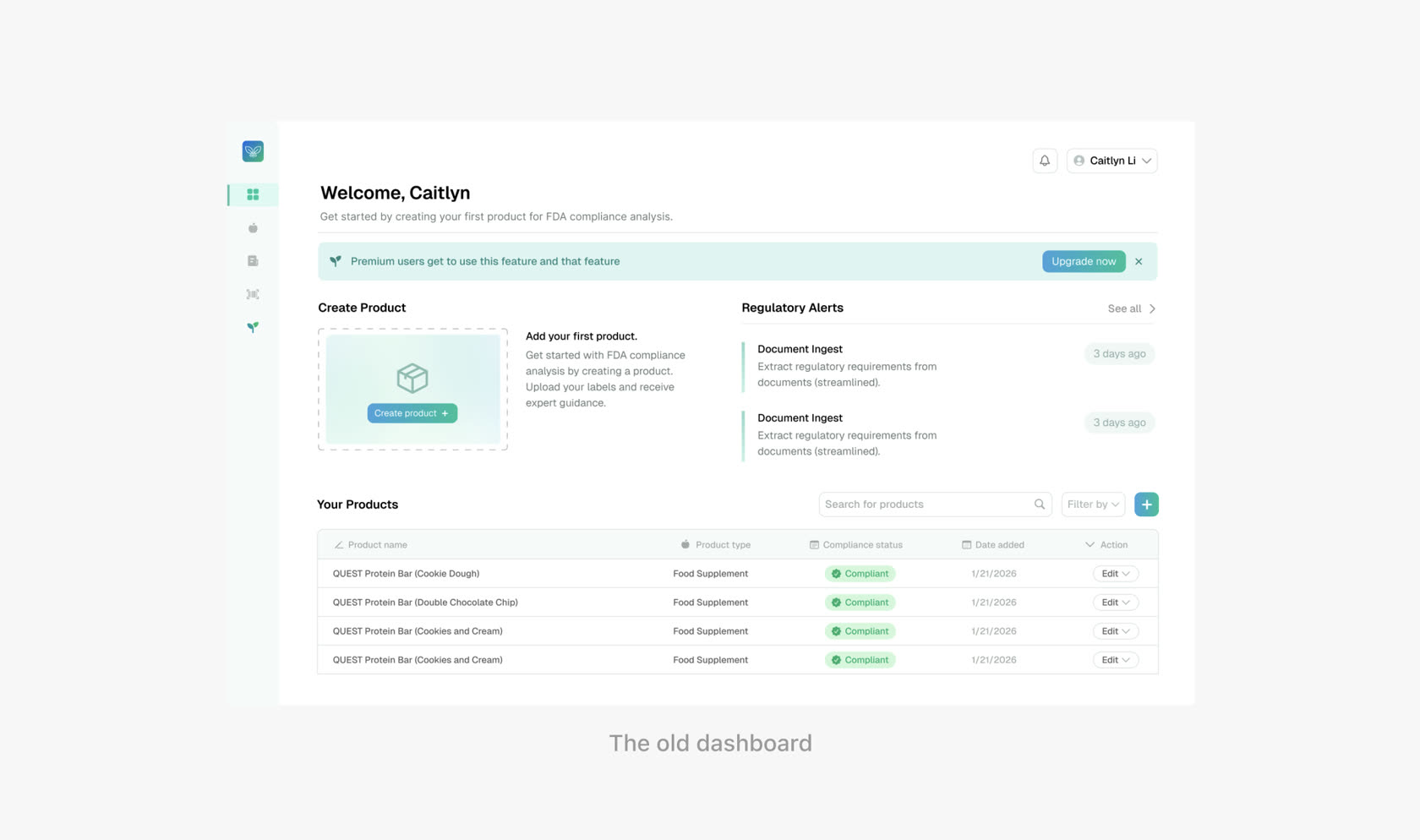
Truli’s dashboard failed to drive feature engagement, and therefore didn’t offer any product value
While the existing dashboard sufficed for navigation purposes, ultimately it served no greater purpose than a sidebar. I set out to solve this problem by designing widgets that would steer users towards our regulatory features.
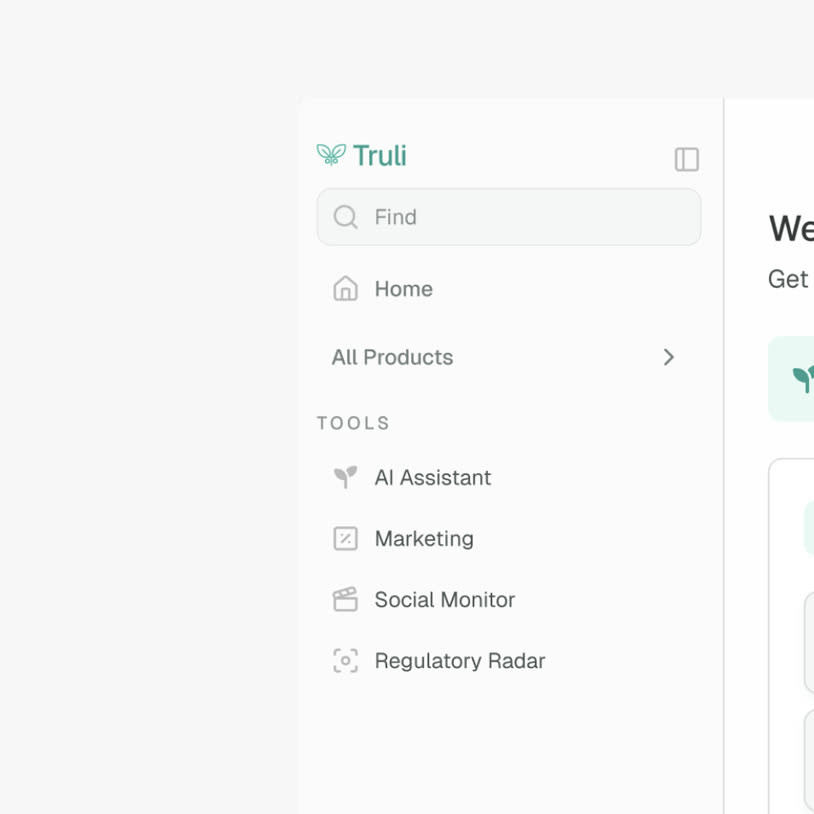
Truli had features that were useful, but underutilized
Truli has an abundance of features that target various pain points in regulation workflows, but they were seldomly used compared to our primary feature, the packaging/label scan.
So the problem is...
How can I convince our users to use ALL of Truli with dashboard widgets?
SOLUTION
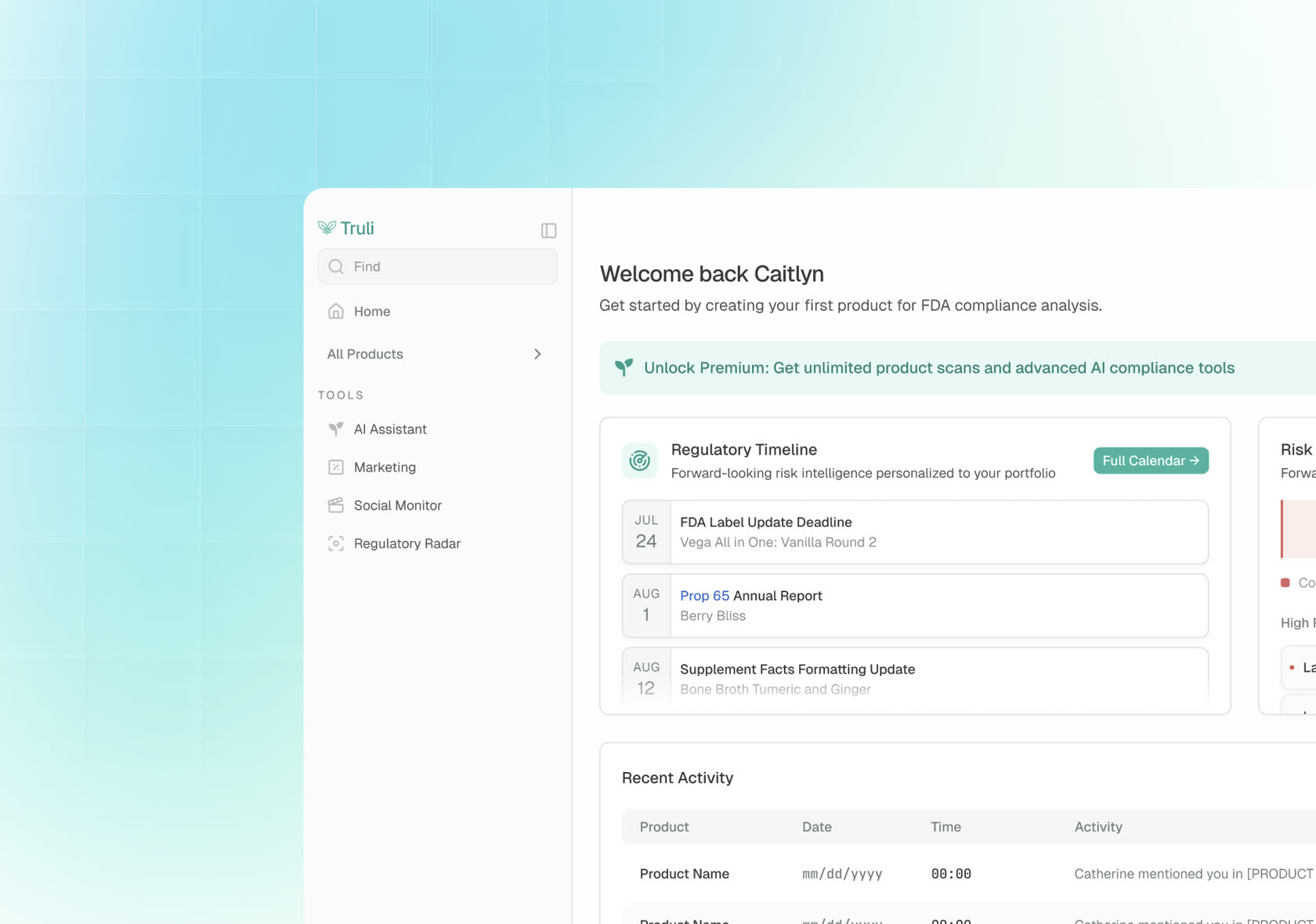
Dashboard widgets that drive feature engagement
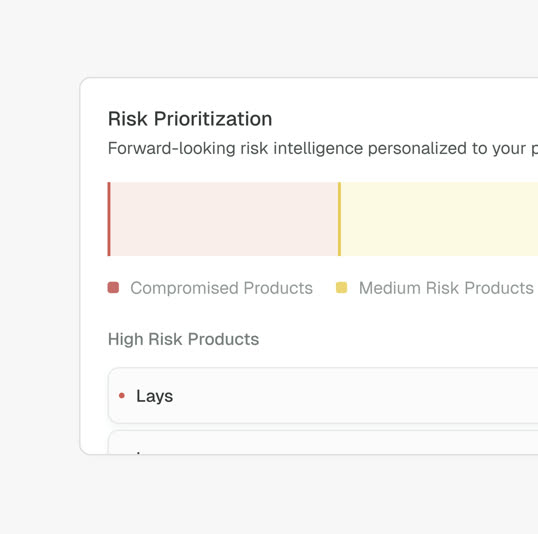
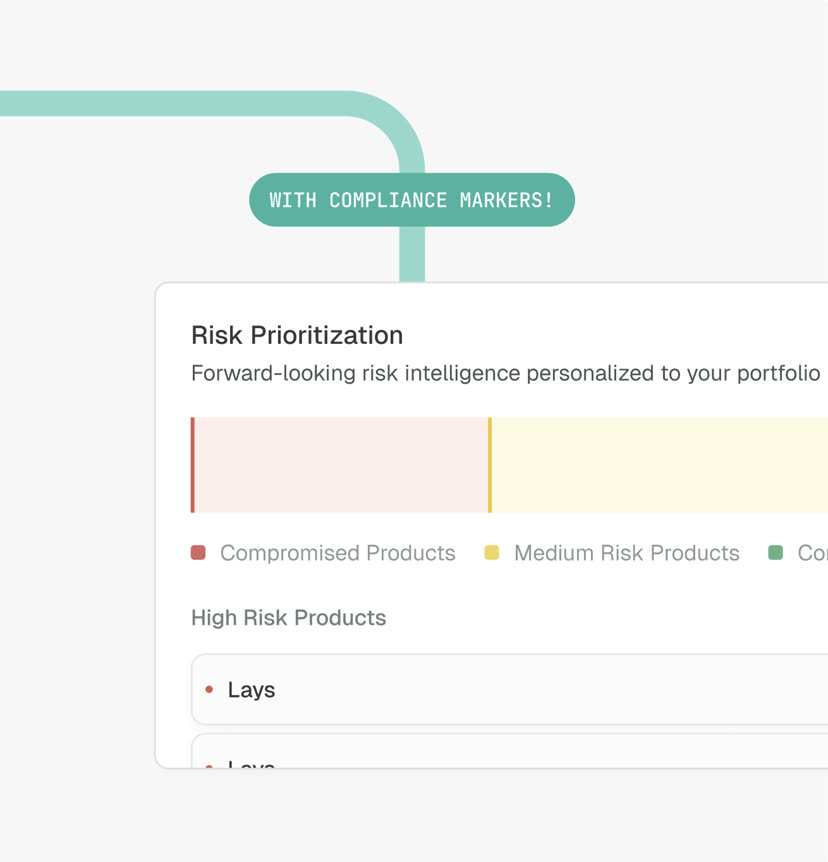
Risk Prioritization
Gives users a quantitative view of compliance across their products, intended to steer their attention towards their high risk products
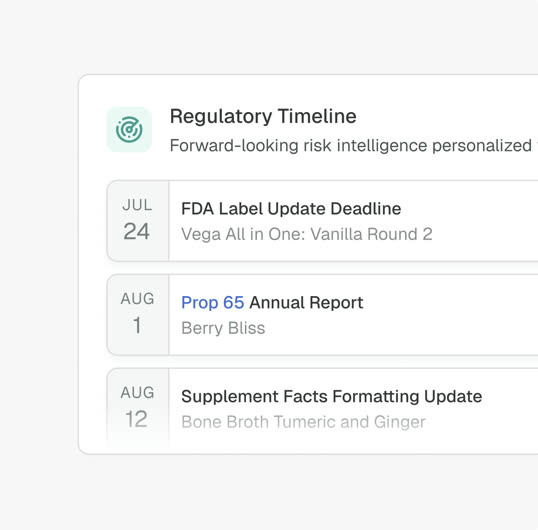
Regulatory Timeline
Arguably in highest demand from our users, a widget that demonstrates that our product can scrape legislation and display it in one place
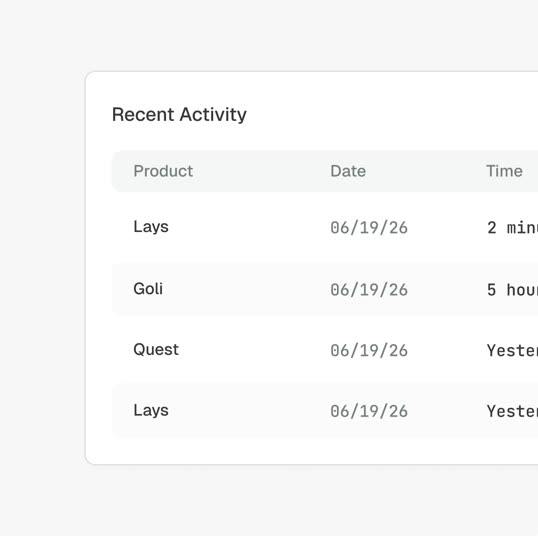
Recent Activity
A recent activity widget for our users who are team based, which we hope to expand with more collaboration based features
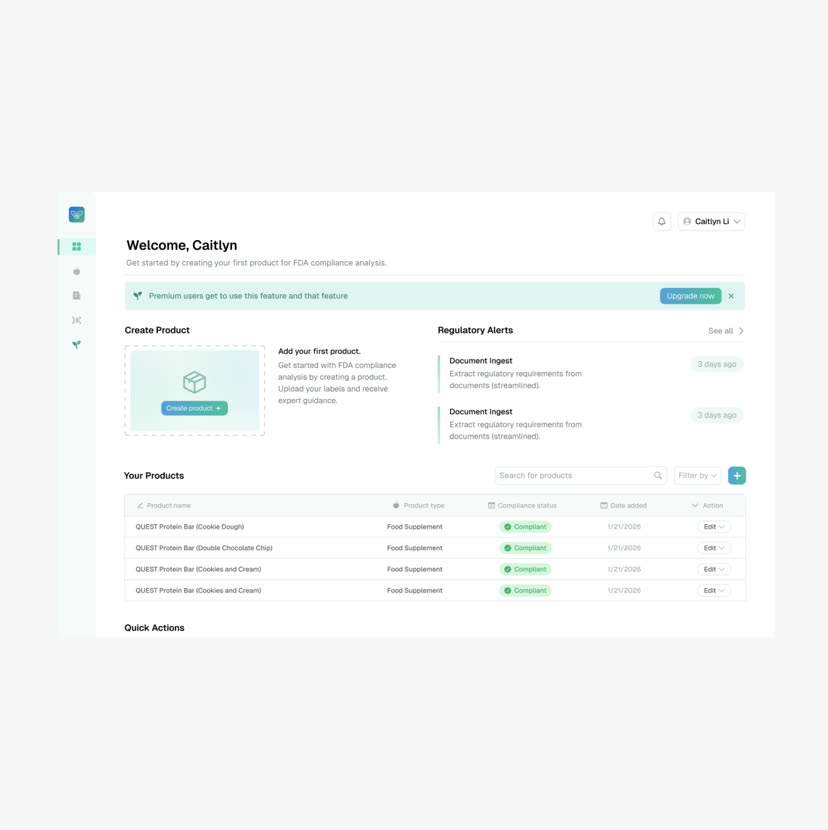
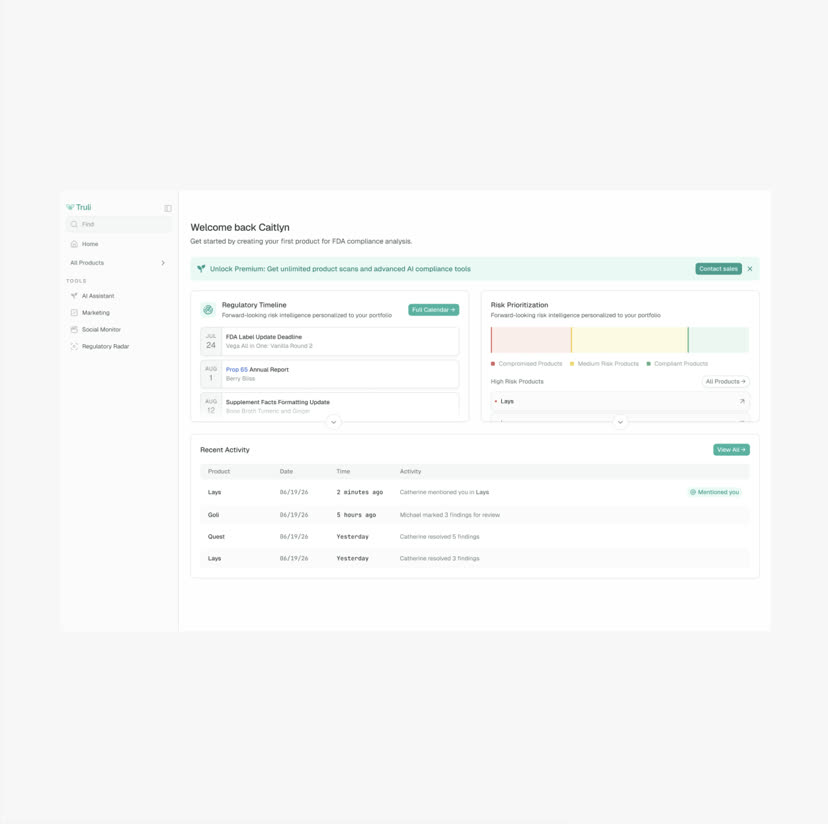
Out with the old, in with the new
IDENTIFYING CORE USER NEEDS
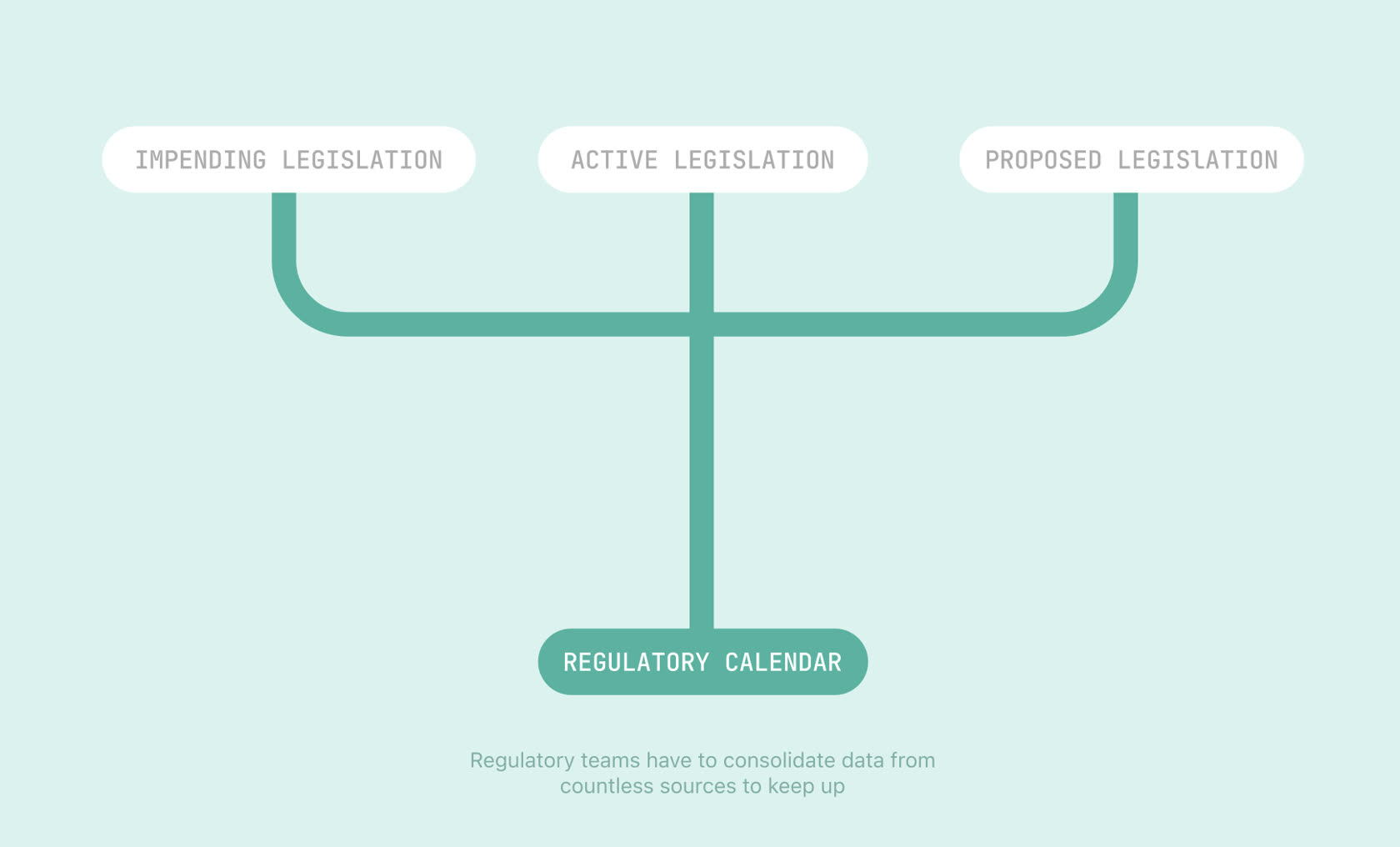
Regulatory teams have to consolidate a bulk of legislative infomration
One of the greatest pain points that we’ve learned from consulting with teams in CPG compliance regulation is keeping up with pending legislation and proposed legislation in addition to legislation tha currently exists.
Truli reconciles this by using its model to scrape various FDA legal resources in its regulatory radar, however, the issue remains that Truli’s interface lacks a call to action for this feature.


Truli’s users vary in organization size, which is something a new dashboard should account for
An additional factor that I heavily considered in designing for Truli’s users is the diversity of team size---Truli’s users have historically commented on the platform not being optimized for team use.
I wanted to make sure the components that I designed would suit individual engagement and stay considerate of usage for users that were larger and more enterprise based.
RESEARCH AUDIT
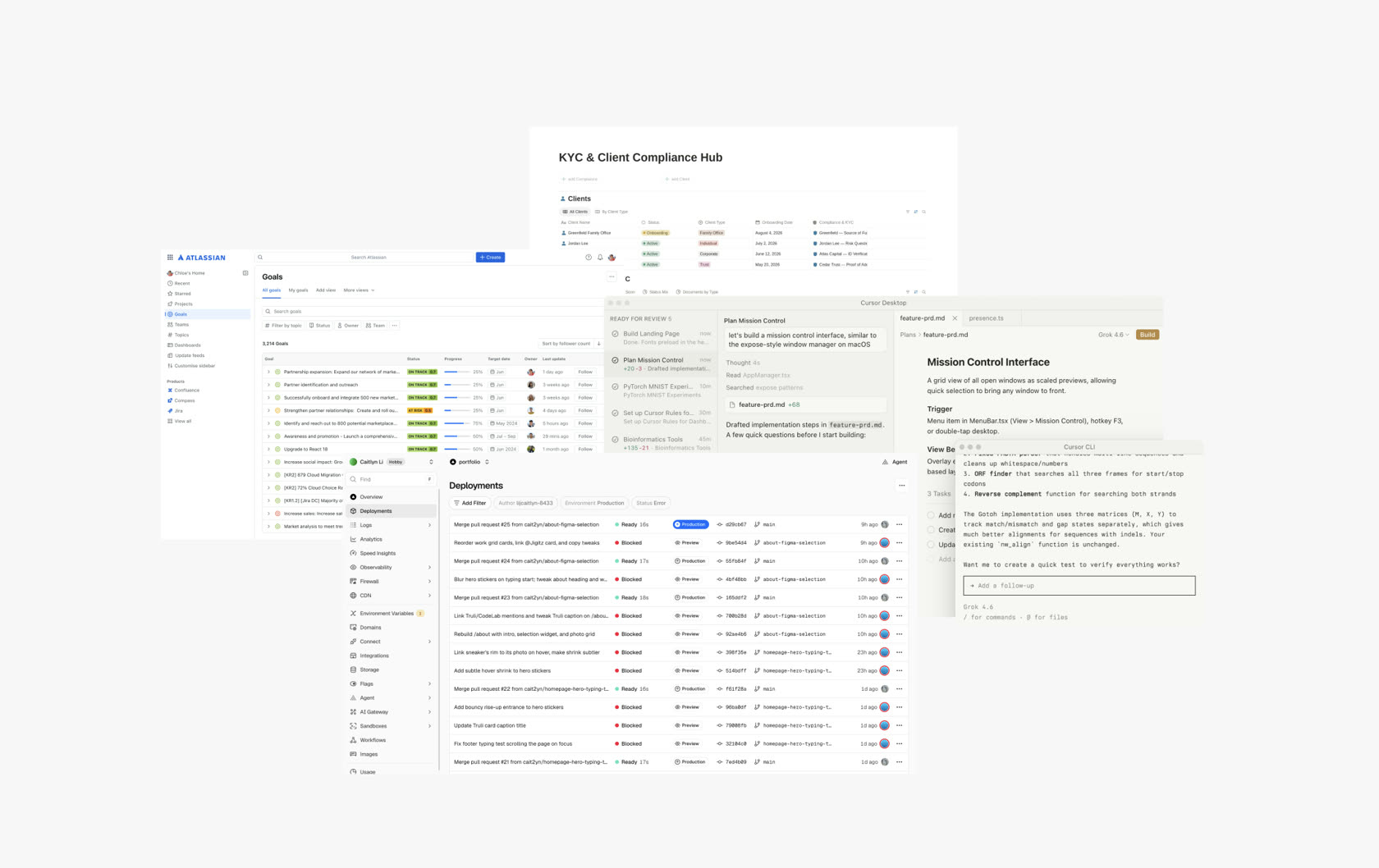
Auditing Vercel, Jira, Notion, and Cursor: interfaces that made bulk feel beautiful
For my competitive analysis I chose to audit platforms that could be both minimal and information dense---primarily developer and productivity tools, for lack of better comparison given the scarcity of CPG products in the tech industry.
My main consideration in conducting competitive analysis was seeing how other platforms handled displaying information dense interfaces in dashboards that were both digestible, and scalable from a design standpoint.
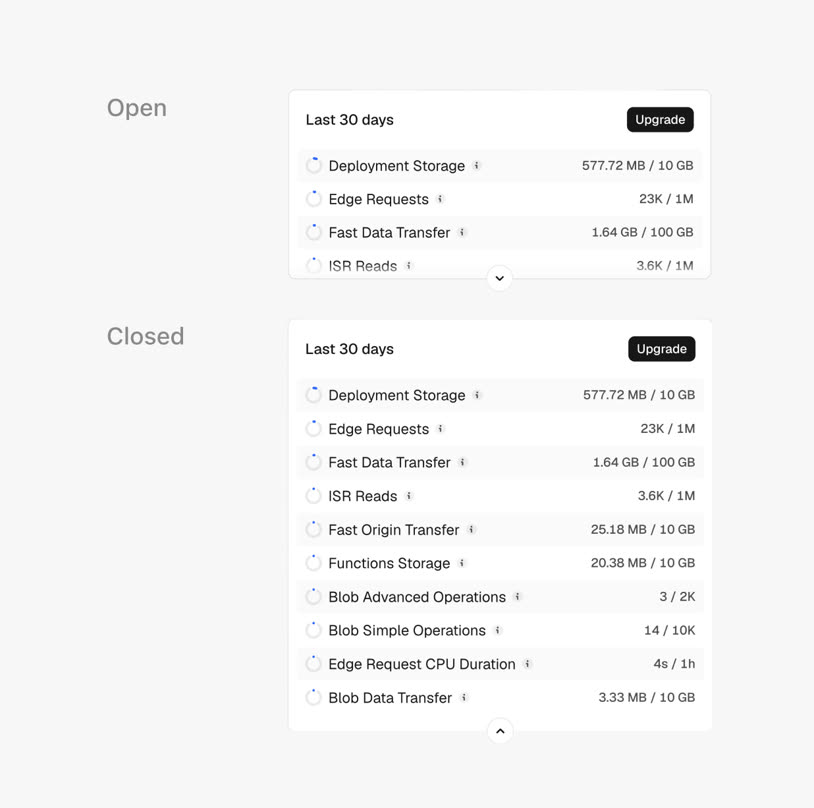
Vercel’s drop down component
END GOAL
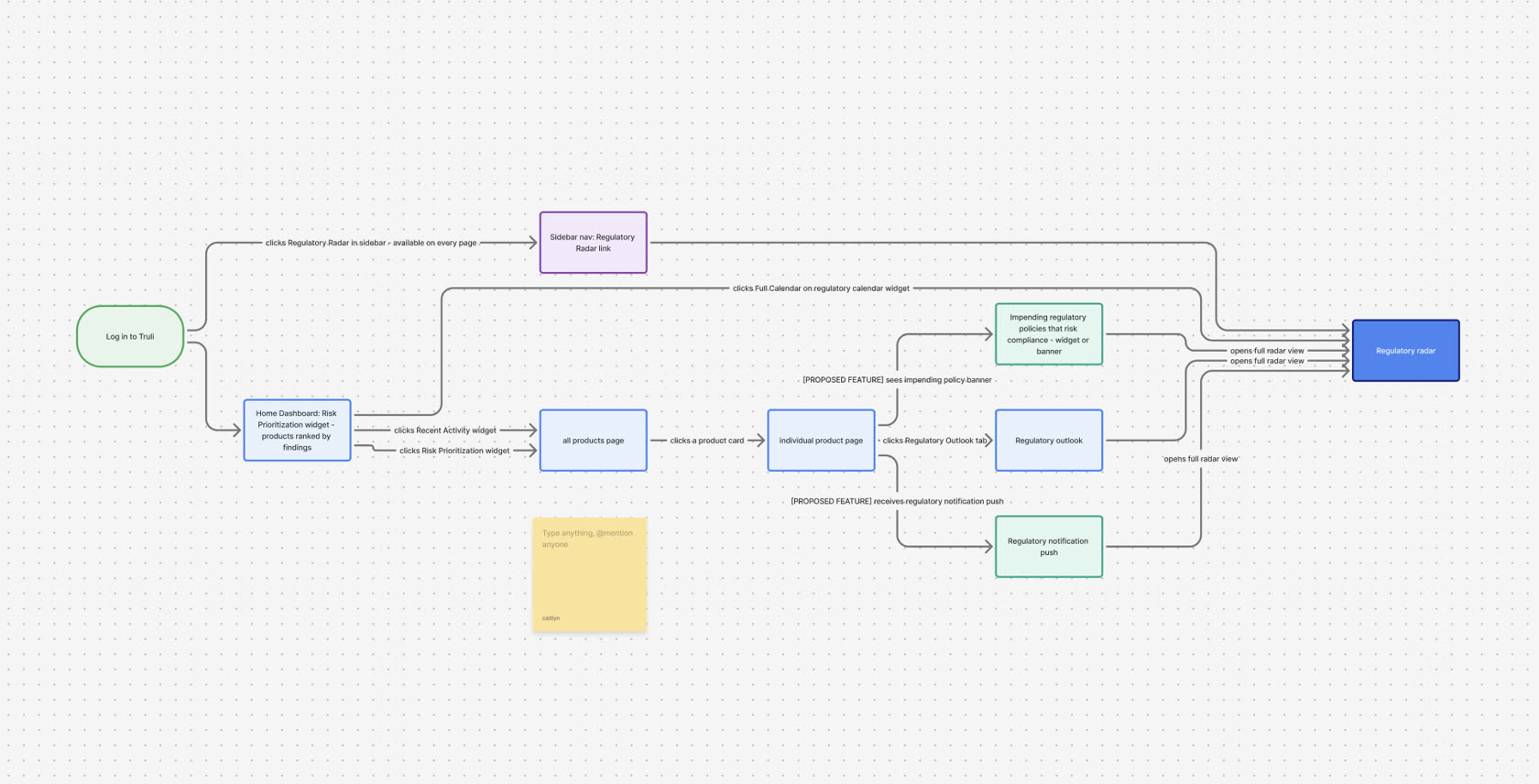
The ultimate goal: fitting more access points for Truli’s regulation tools
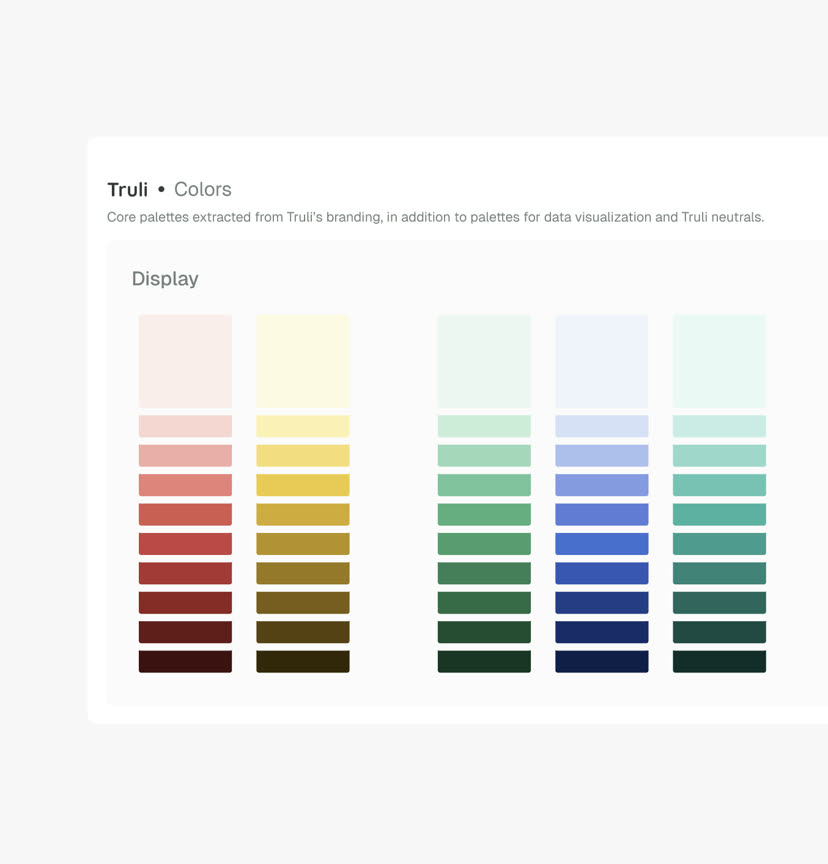
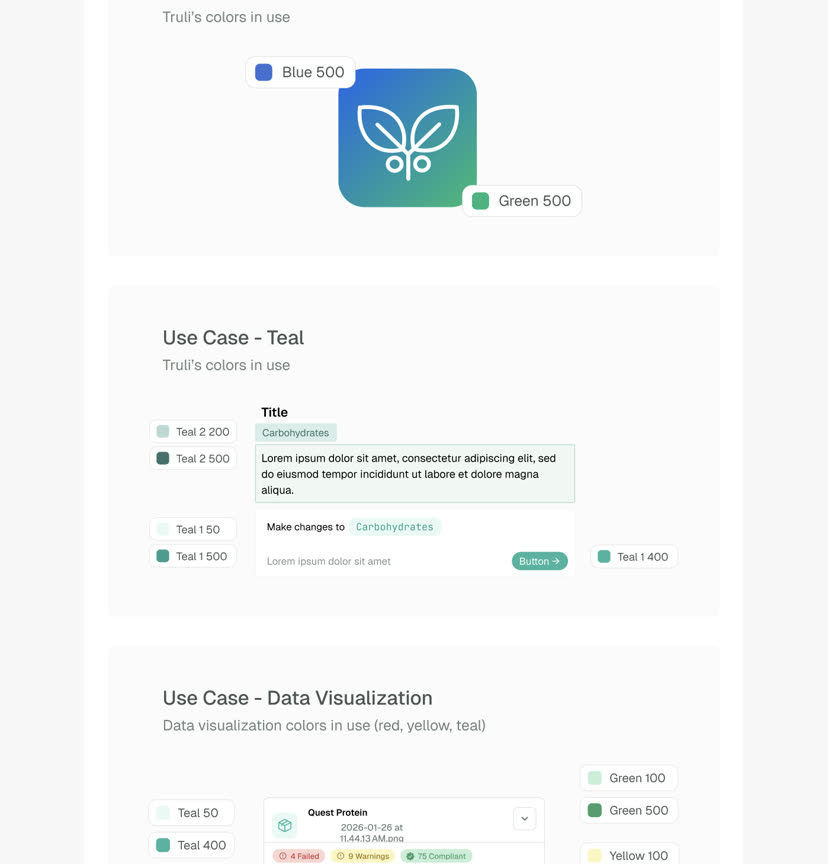
SYSTEMS: STARTING FROM THE GROUND UP
Building a design system
PRODUCT FORWARD
Crafting components that convert into feature usage
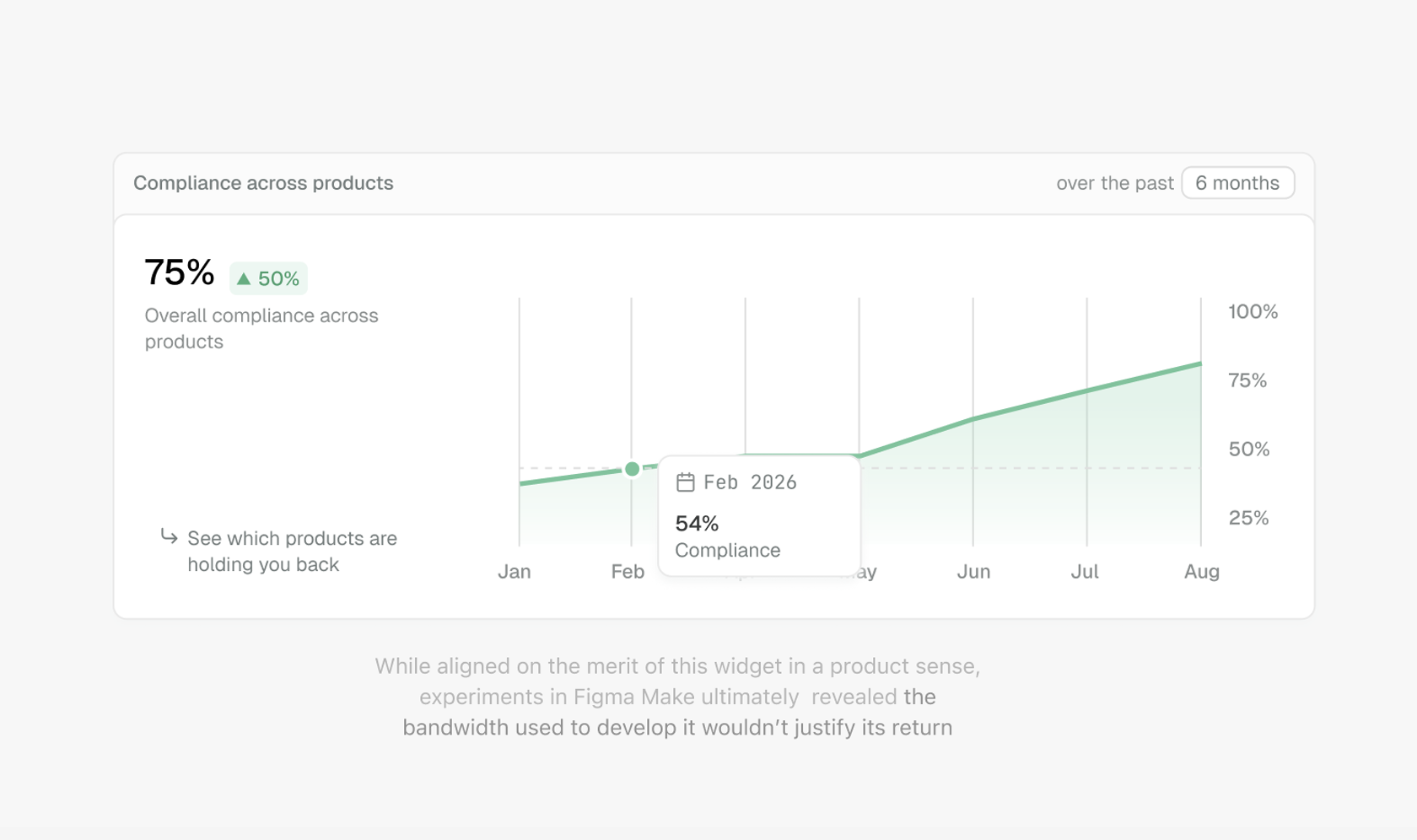
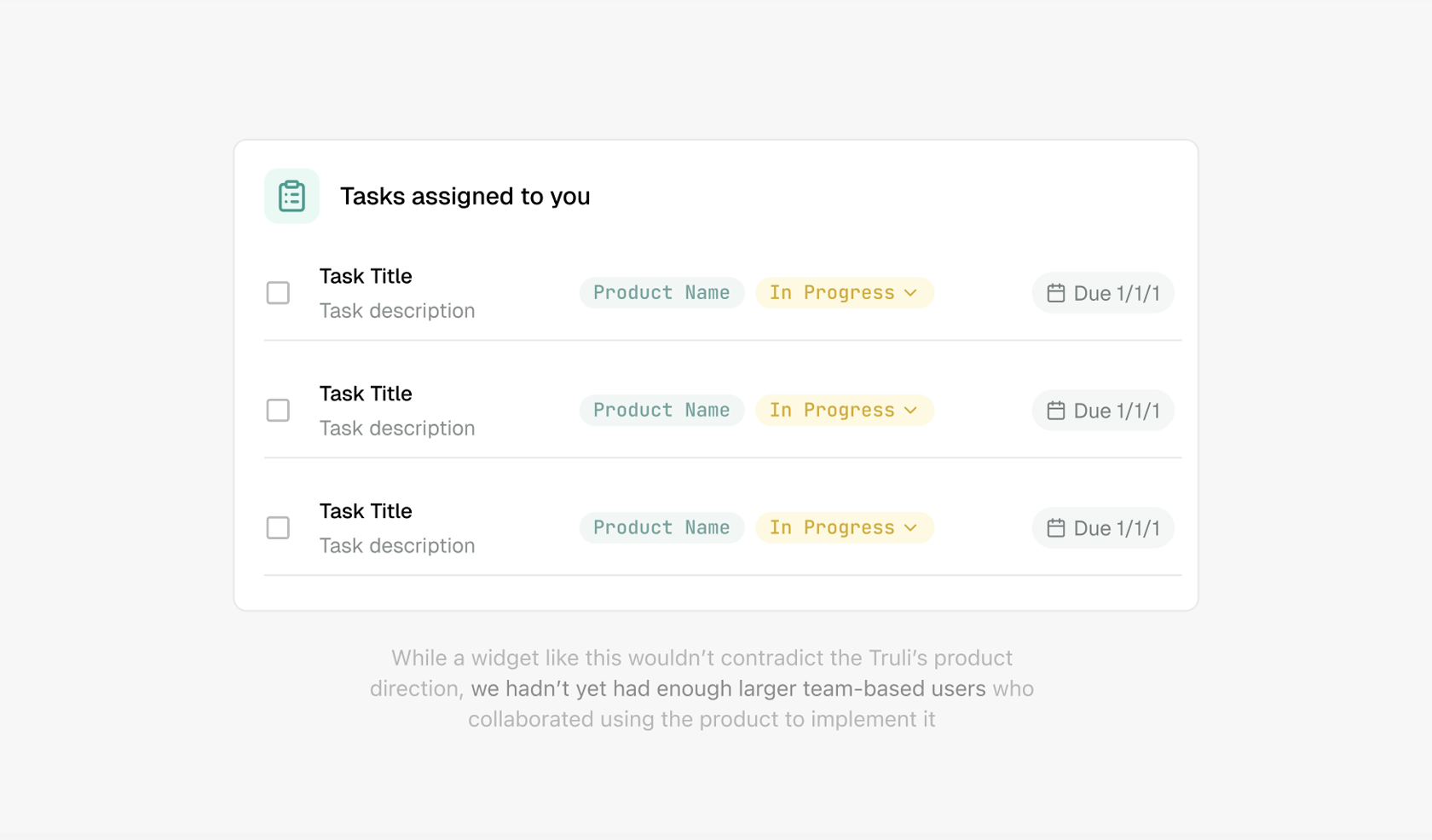
WIDGETS THAT DIDN’T MAKE THE CUT
Widget proposals that were turned down due to technical feasibility/product alignment
Final Designs
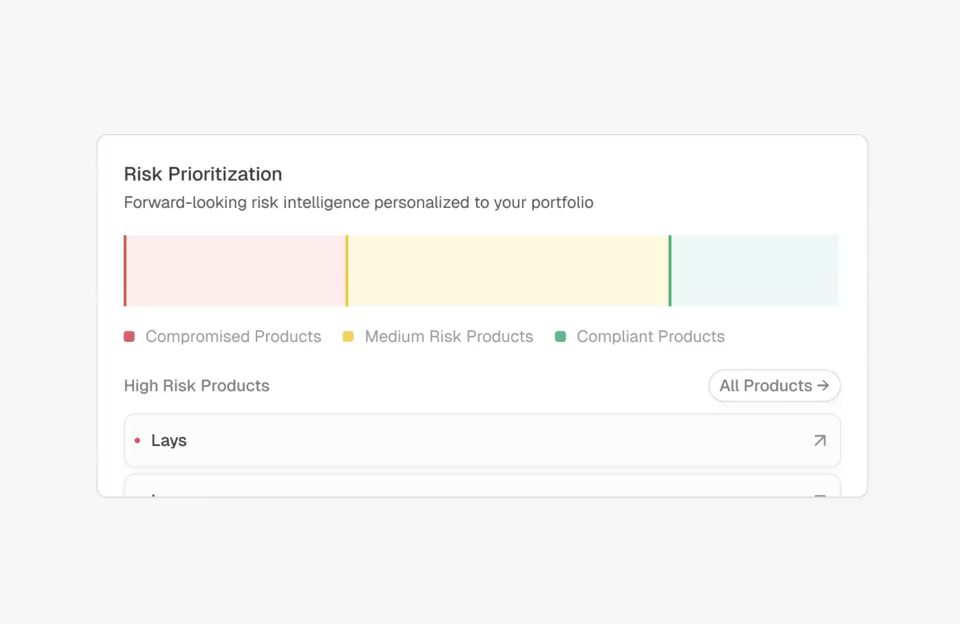
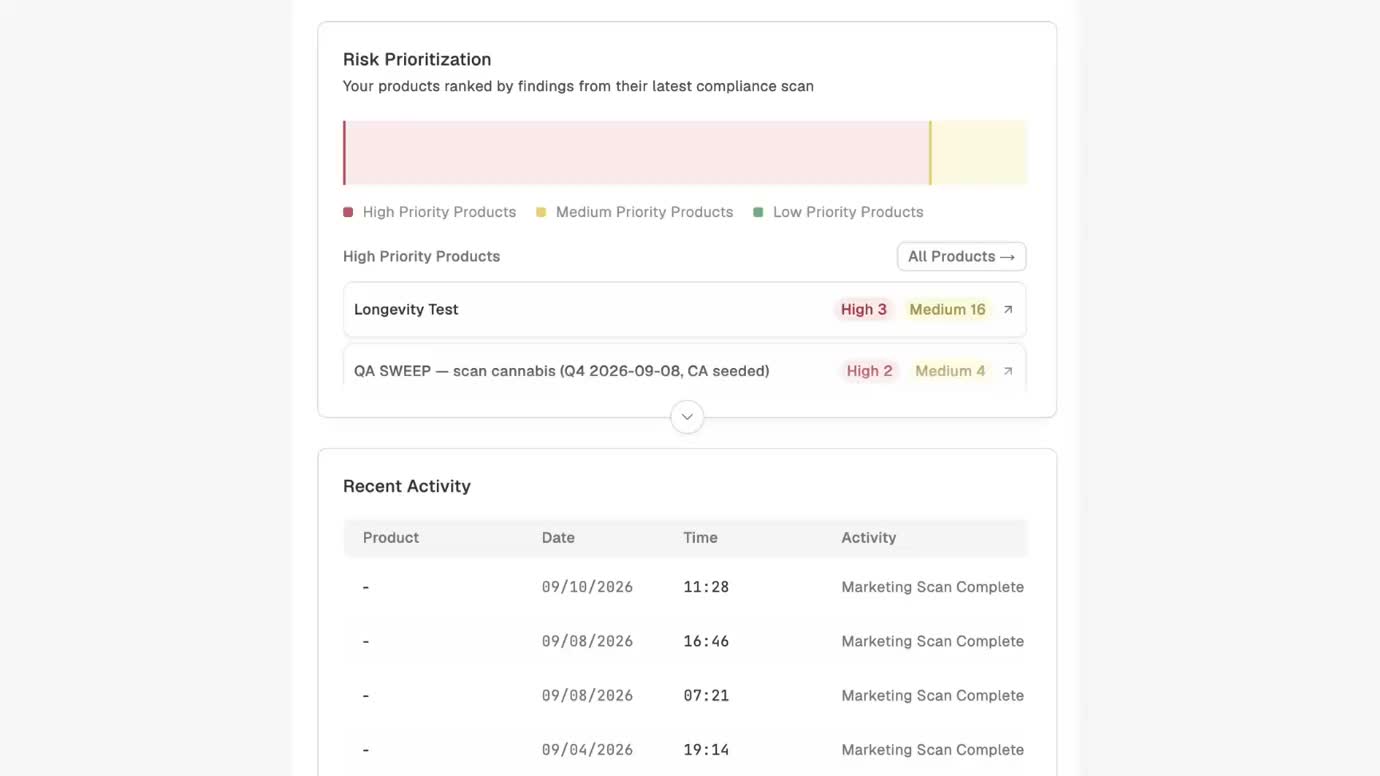
FINAL DESIGN
A product forward dashboard that drives feature engagement, built on design foundations that equip it to scale.

REFLECTIONS
AI in design workflows: Design + Document
The most important lesson I’ve learned crafting interfaces for Truli is the importance of design documentation---UI Kits aren’t enough to ensure consistently beautiful designs throughout a product.
The design-dev-agent workflow only became dependably usable when it could rely on an expansive design system.
REFLECTIONS
Ship it!
REFLECTIONS
End to end ownership